Free funeral services now available to indigent families in the Philippines, easing financial strain while ensuring dignity. Find out how this law helps communities.
Key Points Summary:
- The Philippines has enacted a law providing free funeral services to poor families.
- It aims to reduce financial pressure during bereavement for low-income households.
- Services include coffins, mortuary care, burial or cremation, and document assistance.
- The Department of Social Welfare and Development (DSWD) implements the program.
- The law reflects efforts to uphold dignity for all, regardless of economic status.
Free Funeral Services in the Philippines: What the New Law Means for Families in Need
A new law in the Philippines now guarantees free funeral services for families who are struggling financially. It’s a move that may seem straightforward but carries significant emotional and social weight. When someone you care about passes away, arranging a funeral can be overwhelming — and that’s before you even consider the cost. For many families in the country, funeral expenses can be a heavy burden, sometimes forcing difficult choices about how to honor their loved ones.
This legislation steps in to ease some of that weight by offering basic funeral services at no cost to indigent families. While the law doesn’t promise luxury, it does ensure the essentials: a coffin, mortuary care, burial or cremation assistance, and help with the paperwork that often confuses grieving relatives.
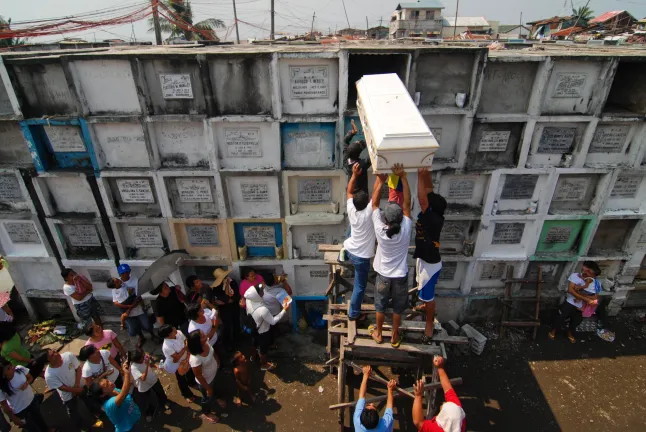
Free Funeral Services in the Philippines: What the New Law Means for Families in Need
A new law in the Philippines now guarantees free funeral services for families who are struggling financially. It’s a move that may seem straightforward but carries significant emotional and social weight. When someone you care about passes away, arranging a funeral can be overwhelming — and that’s before you even consider the cost. For many families in the country, funeral expenses can be a heavy burden, sometimes forcing difficult choices about how to honor their loved ones.
This legislation steps in to ease some of that weight by offering basic funeral services at no cost to indigent families. While the law doesn’t promise luxury, it does ensure the essentials: a coffin, mortuary care, burial or cremation assistance, and help with the paperwork that often confuses grieving relatives.
How Will This Law Work on the Ground?
The Department of Social Welfare and Development (DSWD) takes the lead in rolling out this program, working alongside local government units. Families deemed indigent based on government criteria can apply for assistance. The process might require some paperwork and verification, which could slow things down in some areas, but the idea is to have a clear, accessible path for those in need.
Once approved, the family receives coverage for the essential funeral elements. It won’t cover extravagant services, but it aims to guarantee a respectful farewell. Some questions remain about how well this will function in far-flung provinces or for families who might not know about the program — awareness and accessibility will be key challenges as this law is put into practice.
The Bigger Picture: Social Welfare and Human Dignity
This law fits into a broader framework of social welfare policies the government has been developing over the years. It’s an acknowledgment that, even in death, dignity should be preserved regardless of financial status. Countries like South Korea and some in Europe have similar programs; the Philippines joining this trend suggests a growing recognition of social equity in public services.
Still, it’s worth questioning whether this law goes far enough. Funeral costs are just one piece of the puzzle for poor families who also face challenges like healthcare expenses and housing insecurity. While this initiative is a positive step, comprehensive support systems remain essential.
Voices from the Ground
Social workers and welfare advocates have generally welcomed the law, noting it can ease the emotional and financial stress during a difficult time. One social worker shared how families sometimes delay funerals for weeks because they can’t afford the costs — a situation this law might prevent.
On the other hand, some advocates urge caution. They emphasize that without clear guidelines and proper funding, the program risks falling short. There’s also the question of how local governments will prioritize this amid competing demands.
What’s Next for Free Funeral Services in the Philippines?
Looking ahead, the success of this law will likely depend on effective coordination between national agencies and local governments, plus clear communication to communities about eligibility and application procedures. Partnerships with NGOs and community groups might also help reach families in remote or underserved areas.
The introduction of free funeral services signals a noteworthy shift in how the Philippines approaches social welfare — recognizing that support shouldn’t end with life but extend into how we honor those who have passed.
Try a trending app or offer — optimized for your device
Click the button to be taken to the best available offer for your country and device. The link is auto-optimized by the platform.
FAQ Section
- What does the free funeral services law provide in the Philippines?It offers indigent families essential funeral services at no cost, including coffins, mortuary care, burial or cremation support, and help with documents.
- Why is this law significant for low-income Filipino families?Because it reduces the financial burden of funerals, ensuring that poverty doesn’t mean undignified or delayed burials.
- How can families apply for free funeral services?Applications are made through local government units or the Department of Social Welfare and Development, where eligibility is assessed.
- Are all funeral costs covered under this program?No, the program covers basic services necessary for a dignified funeral but doesn’t include elaborate or luxury arrangements.
- Where can people find more information about this law?Updates and official guidelines are available through the DSWD and local government offices.
💡 Want to discover trending apps and offers tailored for you?
👉 Try it now
This law seems poised to bring some relief to families who face the difficult task of arranging a funeral under tight financial constraints. While questions about implementation and reach remain, the initiative reflects a growing awareness that social support must span all aspects of life — and death. It will be interesting to see how the program unfolds and whether it sparks further conversations about comprehensive social welfare in the Philippines.
Source acknowledgment Back links:
- Free funeral services for poor now a law in the Philippines: abscbn news
- Free funeral services bill lapses into law: inquirer.net
For Other Stories: